drain and sewer services
Clearing Blockages Before They Cause Backups
Drain and Sewer Services in Fountain for slow drains, recurring clogs, and system maintenance
When sinks drain slowly, toilets gurgle as they flush, or water pools around floor drains, something is obstructing the flow through your drainage system. These signs usually start small—a bathroom sink that takes an extra minute to empty or a shower that leaves standing water—but they escalate quickly when the blockage grows or shifts deeper into the main line. Drain and sewer services involve clearing obstructions, diagnosing why clogs keep returning, and installing or maintaining components like floor drains that prevent wastewater from backing up into living spaces. Clark Plumbing handles both residential and commercial drain work, using augers, hydro-jetting, and camera inspections to identify and resolve blockages throughout Fountain, Colorado Springs, and surrounding areas.
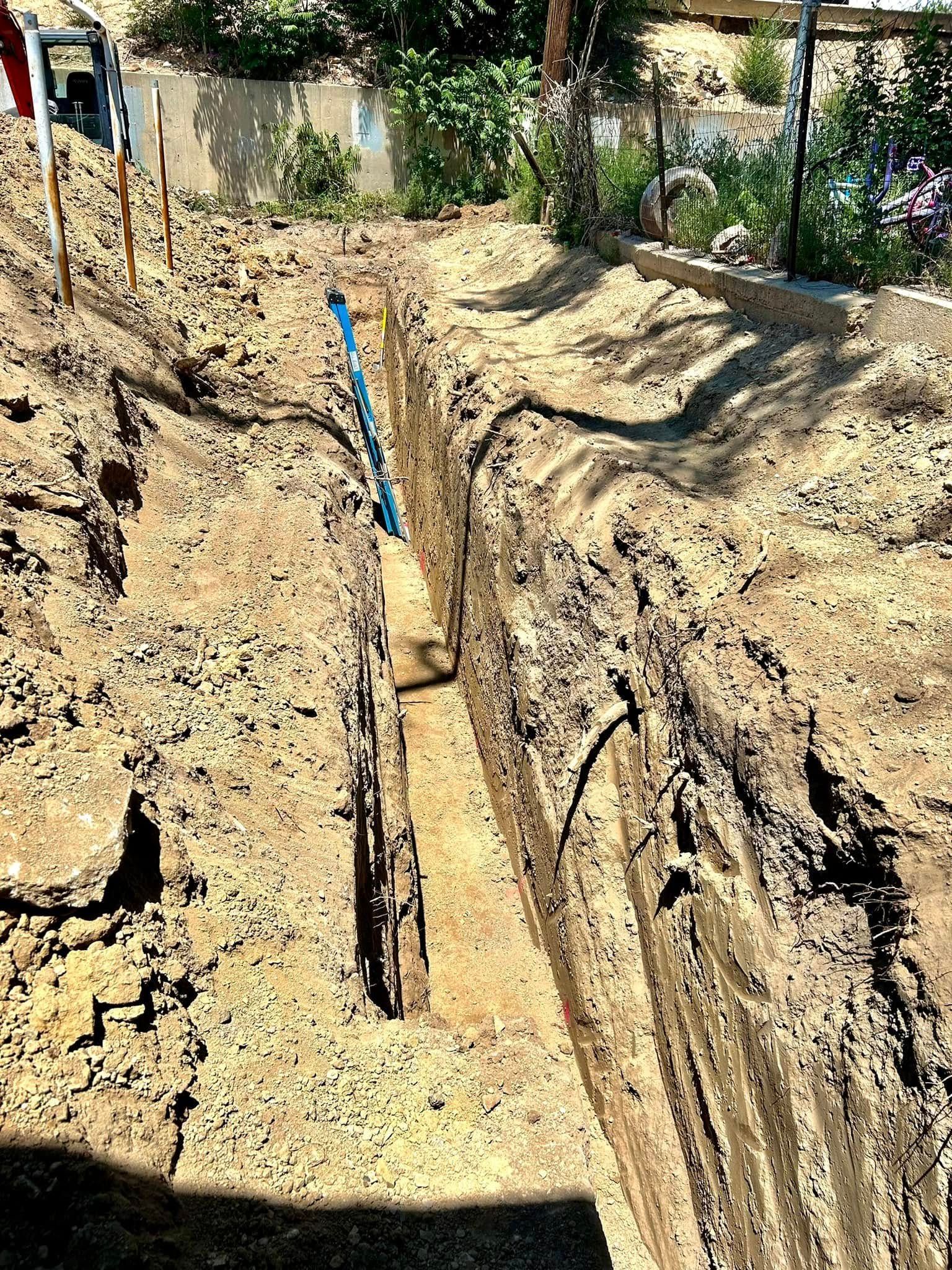
Drainage problems stem from buildup inside pipes—grease and soap residue in kitchen lines, hair and toothpaste in bathroom drains, or tree roots infiltrating sewer lines through tiny cracks in older clay or cast-iron pipes. Clearing a clog means inserting a cable or high-pressure water jet through a cleanout or drain opening, breaking up or flushing out the obstruction, and confirming that water flows freely again. When clogs recur in the same location, it often signals a structural issue like a sagging pipe, a partially collapsed section, or roots that continue growing back after mechanical removal.
Schedule an inspection if you're dealing with drains that slow down repeatedly or backups that affect multiple fixtures at once.
Why Drain Problems Happen and How to Stop Them
Drain cleaning begins with identifying where the blockage sits—whether it's in a single fixture's P-trap, a branch line serving one bathroom or kitchen, or the main sewer line that carries waste from the entire building. A handheld auger clears most fixture-level clogs, while motorized drain snakes handle branch lines and main lines where blockages are deeper or more compacted. Hydro-jetting uses pressurized water to scour pipe walls clean, which works well for grease buildup or mineral deposits that narrow the interior diameter over time.
After a drain is cleared, water flows at normal speed, fixtures empty completely without leaving standing water, and toilets flush without the gurgling that indicates air displacement from a partial blockage downstream. Floor drains, which are common in basements, utility rooms, and commercial spaces, function by directing water into a trap that prevents sewer gases from rising back through the opening. Installing or maintaining these drains involves confirming the trap stays full, checking the grate for debris, and verifying that the drain line connects properly to the building's sewer system.
Long-term prevention includes avoiding certain materials in drains—grease solidifies as it cools, forming waxy deposits that trap other debris, and items like wipes or paper towels don't break down in water and create clogs at bends or junctions. Regular maintenance, especially for commercial kitchens or buildings with older sewer lines, reduces the frequency of emergency backups and extends the functional life of the drainage system.
Common Questions About This Service
Property owners dealing with drainage issues typically want to understand what's causing the problem and how to prevent it from happening again.
What causes drains to slow down gradually over time?
Gradual slowing usually results from accumulating residue inside the pipe—soap scum, grease, hair, or mineral deposits that reduce the pipe's interior diameter and restrict flow, especially at bends or horizontal runs where debris settles more easily.
How does hydro-jetting differ from using a drain snake?
A drain snake mechanically breaks through or pulls out blockages, while hydro-jetting uses high-pressure water to scrub the entire interior surface of the pipe, removing buildup that a snake might push aside, which makes it more effective for grease-clogged lines or pipes with heavy scaling.
When should a sewer line be inspected with a camera?
Camera inspections make sense when clogs recur in the same location, when multiple drains back up simultaneously, or when you're buying a property and want to assess the condition of underground sewer lines before closing.
Why do floor drains sometimes smell like sewage?
Floor drains contain a P-trap that holds water to block sewer gases, and if the drain isn't used regularly, the water evaporates and allows odors to rise through the opening, which is resolved by pouring water into the drain to refill the trap.
What's included in a drain maintenance visit?
Maintenance involves clearing accessible drains with an auger or hydro-jetter, inspecting visible sections of the drainage system for leaks or damage, testing flow at multiple fixtures, and identifying any areas where recurring issues suggest the need for further evaluation or repair.
Clark Plumbing provides thorough drain and sewer services to address current blockages and help prevent future backups. Call (719) 331-9065 to arrange service or discuss a maintenance plan that keeps your drainage system functioning reliably.