
grease interceptor installation
Commercial Kitchens That Meet Code
Grease interceptor installation in Fountain for restaurants and food service operations facing regulatory compliance requirements
A properly installed grease interceptor prevents fats, oils, and grease from entering the municipal sewer system, a requirement enforced by most jurisdictions for commercial food service operations. Clark Plumbing LLC handles grease interceptor installation for restaurants, cafeterias, and other commercial kitchens in Fountain, addressing both new construction projects and retrofits for existing facilities. The work involves not only the physical installation but also coordination with local authorities to secure permits and pass required inspections.
Grease interceptors function by slowing water flow enough to allow fats and oils to cool, separate, and float to the surface where they remain trapped while treated water exits to the sewer. Sizing the interceptor correctly depends on the kitchen's fixture count, expected grease load, and flow rate calculations that must align with local plumbing codes and health department standards. State licensing for this work verifies that the installer understands these calculations and can position the unit to allow proper access for the regular pump-out service required to maintain compliance.
Schedule a site evaluation to determine interceptor sizing and placement options for your facility.
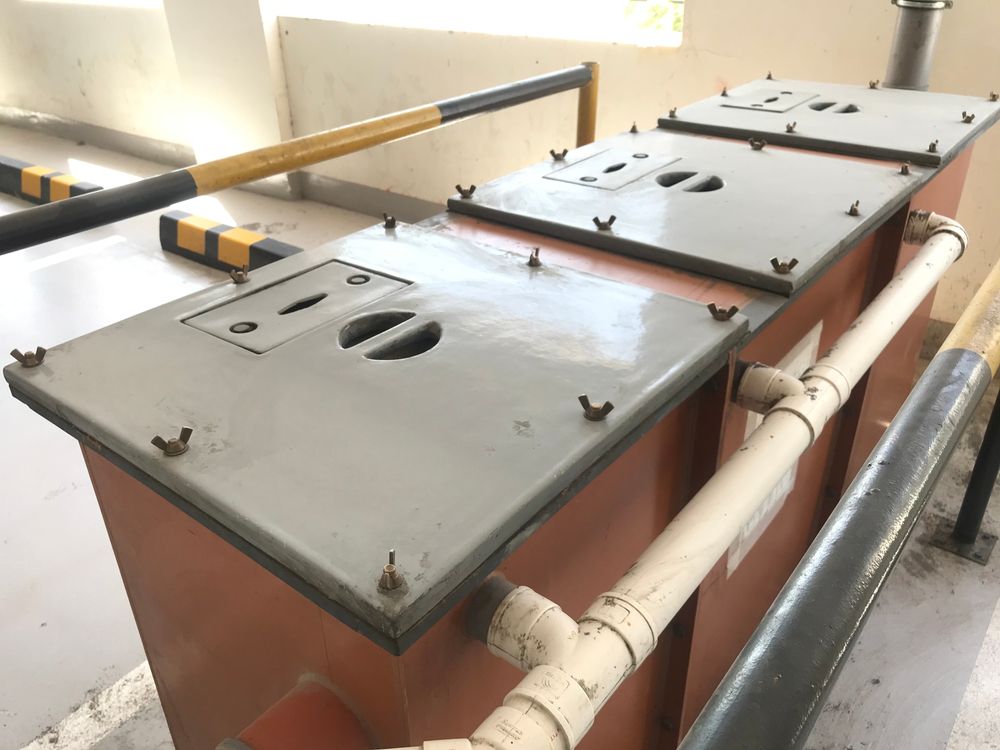
What You Notice Once Installation Is Finished
Installing a grease interceptor involves excavation to position the unit at the correct depth, ensuring adequate slope on both inlet and outlet pipes to maintain flow without backup. The interceptor must be accessible from ground level for maintenance while remaining structurarily sound enough to handle the weight of vehicles if installed in a parking area or drive lane. Connections require watertight seals and venting to prevent odor migration into the building or outdoor dining areas.
Once installation is complete, you'll notice that the health inspector's concerns about grease discharge disappear, and your operation avoids the fines associated with non-compliance or sewer line blockages caused by grease buildup. The system operates passively, requiring no daily action from kitchen staff beyond normal drain use, though scheduled pump-out service every few months keeps the interceptor functioning as designed. Restaurants that skip proper installation often face emergency calls when grease solidifies in drain lines, creating backups during peak service hours.
Clark Plumbing LLC manages the permitting process and coordinates inspections with local authorities, reducing the administrative burden on restaurant owners who need to focus on their business rather than navigating municipal requirements. The installation includes documentation showing compliance with state and local codes, which health inspectors review during routine visits. Systems installed without proper permitting can trigger shutdown orders until corrected, a situation that costs far more than doing the work correctly from the start.
Questions Before Starting Your Project
Commercial kitchen owners often have specific concerns about grease interceptor requirements and how the installation process affects their operations.
How is the interceptor size determined for a specific kitchen?
Sizing follows a formula based on the number and type of fixtures draining into the system, the flow rate of those fixtures, and the expected grease load from your menu, with local codes often requiring a minimum capacity regardless of calculated need.
What happens during the installation process at an operating restaurant?
Installation typically requires closing the kitchen for one to three days depending on site conditions, with excavation work scheduled to minimize disruption and connections made during off-hours when possible.
Why do some installations require larger units than others?
Kitchens with high-volume fryers, wok stations, or extensive dishwashing operations generate more grease, requiring interceptors with greater capacity to allow sufficient cooling and separation time before water exits the unit.
How does Fountain's soil condition affect installation?
The clay-heavy soil common in Fountain requires careful excavation and may necessitate gravel bedding or concrete pads to prevent settling that could misalign pipes and cause leaks over time.
What maintenance does the interceptor require after installation?
You'll need scheduled pump-out service every 30 to 90 days depending on your grease volume, with maintenance logs required for health department inspections to verify regular service.
Clark Plumbing LLC provides consultation to help restaurant owners understand their specific compliance requirements and select the appropriate interceptor configuration. Request a consultation to review your kitchen layout and discuss permitting timelines.