
specialty plumbing systems
Heating Systems Built for Comfort
Specialty plumbing systems in Fountain for properties requiring radiant floor heating, boiler installations, or higher-efficiency climate control
Radiant heating systems circulate heated water through tubing installed beneath finished floors, delivering warmth without the noise, drafts, or air quality concerns associated with forced-air systems. The system operates at lower temperatures than traditional radiators, typically between 85 and 140 degrees depending on floor material and insulation values, which reduces energy consumption while providing consistent warmth across the entire floor surface. Clark Plumbing LLC installs boiler systems and radiant heating configurations in Fountain for new construction projects and for homeowners upgrading from conventional heating methods.
Boiler selection depends on the total square footage of heated space, insulation quality, ceiling height, and whether the system will also provide domestic hot water or serve solely for space heating. The design phase determines tube spacing, loop lengths, and manifold placement to balance heat distribution without creating hot spots or areas that remain cool. Proper installation requires pressure testing before floors are finished, since accessing buried tubing after tile, hardwood, or concrete topping is in place involves destructive and expensive repairs.
Arrange an on-site consultation to review heating requirements and discuss system design options for your property.
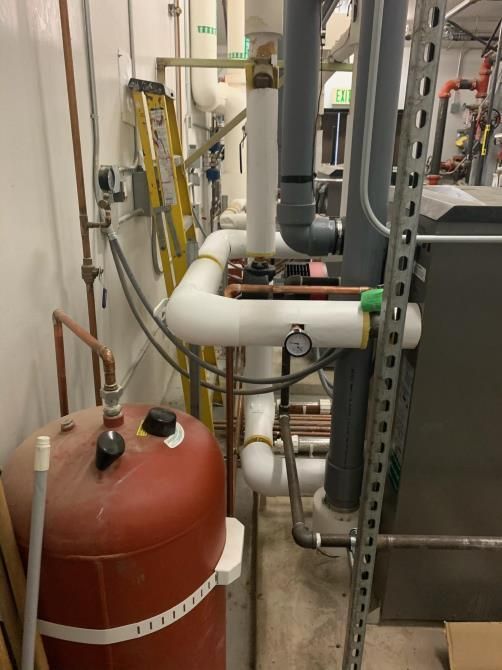
How Radiant Systems Deliver Consistent Warmth
Installing radiant floor heating begins with insulation beneath the tubing to direct heat upward rather than into the subfloor or ground, followed by securing the tubing at precise intervals using clips, rails, or mesh panels depending on the installation method. The tubing connects to a manifold system that allows individual room temperature control, with each loop balanced to deliver equal flow rates so that distant rooms heat as effectively as those near the boiler. Boilers designed for radiant systems modulate their output to match demand, cycling less frequently than furnaces and reducing wear on components.
After the system is operational, you'll notice that floors remain warm to the touch, eliminating the cold shock common with tile or hardwood over unheated subfloors. Rooms heat evenly from floor to ceiling rather than concentrating warmth near vents, and the absence of ductwork means no dust circulation or filter maintenance. Homes with radiant systems in Fountain often see lower heating bills during cold months because the system operates efficiently at lower water temperatures compared to the high-temperature air required for forced-air heating.
These systems work particularly well in homes with open floor plans, high ceilings, or large window areas where forced-air systems struggle to maintain comfort without running continuously. The lack of visible radiators or floor registers provides design flexibility, and the system operates silently without the startup noise of furnace blowers. Clark Plumbing LLC handles both the mechanical installation and coordination with flooring contractors to verify that tube placement and floor materials are compatible for long-term performance.
Common Questions About This Service
Homeowners considering radiant heating or boiler systems often want to understand the differences from conventional heating and what the installation involves.
What types of flooring work with radiant heating?
Tile and polished concrete transfer heat most efficiently, while engineered hardwood and laminate also perform well if installed with appropriate underlayment, but thick carpet or solid hardwood over three-quarters of an inch can insulate too much and reduce system effectiveness.
How long does it take for radiant systems to heat a room?
Radiant systems heat more slowly than forced air, typically requiring one to two hours to raise room temperature noticeably, which is why they perform best when maintained at consistent temperatures rather than being turned down significantly overnight.
Why choose a boiler system over a standard furnace?
Boilers provide more even heat distribution, operate more quietly, require no ductwork that can leak conditioned air, and allow for zone control that reduces energy waste in unused areas of the home.
How does Fountain's climate affect radiant system design?
Cold winter temperatures in Fountain require adequate boiler capacity and insulation beneath tubing to prevent heat loss into the ground, particularly in slab-on-grade installations where earth contact increases thermal transfer.
What maintenance do these systems require?
Boilers need annual inspections to check for leaks, verify proper combustion, and test safety controls, while the radiant tubing itself requires no maintenance beyond monitoring system pressure to detect potential leaks.
Clark Plumbing LLC provides system selection consultation to help property owners evaluate whether radiant heating or specialized boiler systems suit their comfort preferences and building characteristics. Contact us to discuss design options and receive a detailed project estimate.